
FAQ
What Are Leaky Homes?
New Zealand's leaky-home problem explained — and how it's fixed.
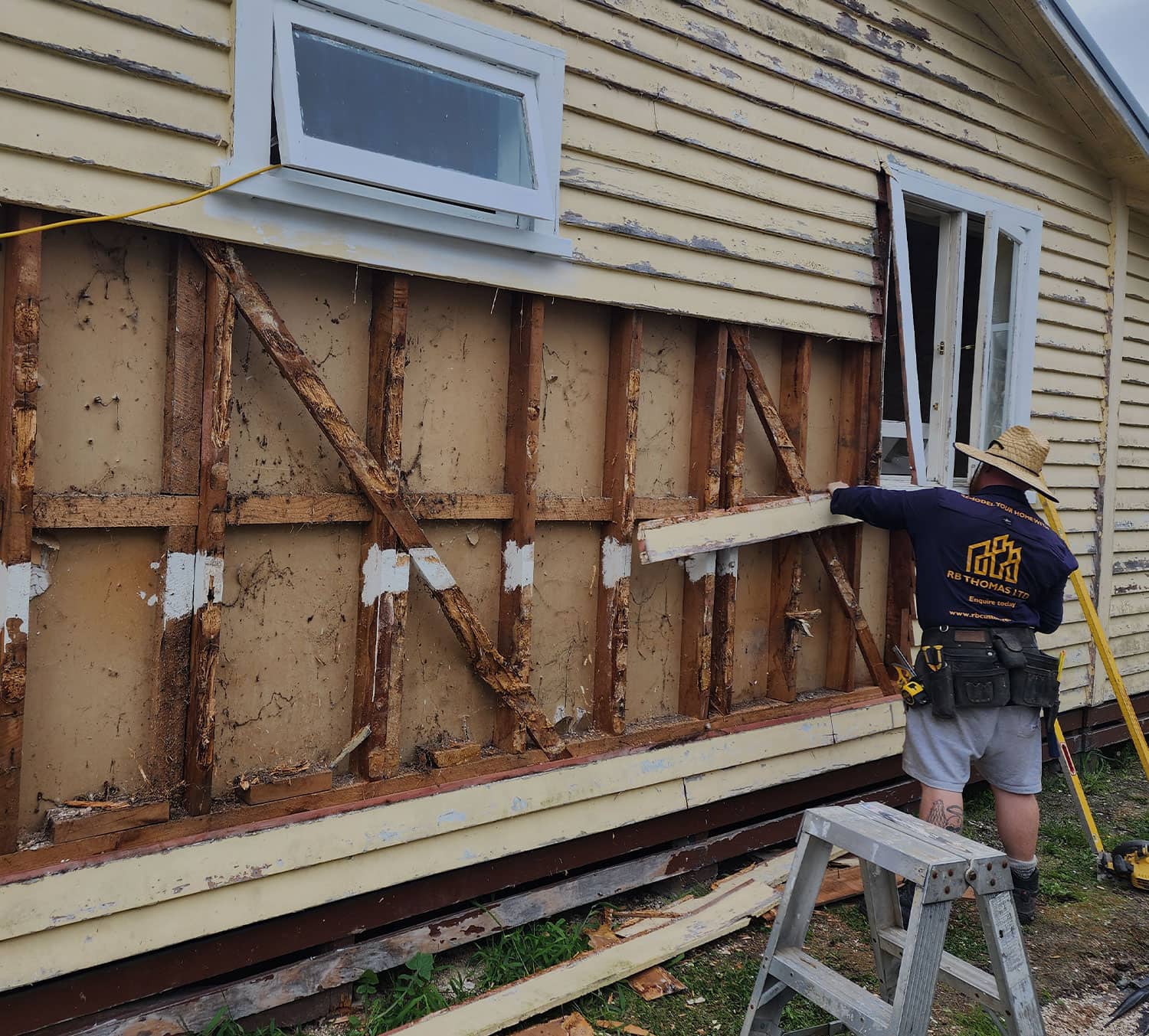
"Leaky homes" refers to a wave of New Zealand houses — mostly built from the late 1980s through the mid-2000s — that let water into the building structure, causing rot, mould and structural damage. It's one of the country's biggest building problems: estimates put it at more than 42,000 homes affected, with repair costs of NZ$11–23 billion nationally. And it's fixable.
Why it happened
A combination of building methods, materials, monolithic cladding systems and detailing of that era let water past the cladding and into the framing, where it couldn't dry out. Two details made it worse: monolithic claddings (stucco and fibre-cement) were fixed directly to the frame with no drainage cavity behind them, and from 1995 much of the framing timber was untreated radiata pine — which rots quickly once it gets wet. The result was hidden rot.
Warning signs
- Damp or musty smells inside
- Staining or swelling around windows and doors
- Soft or spongy linings, skirtings or framing
- High moisture readings
How it's fixed
The fix is recladding — stripping the failed cladding, replacing any rotten framing, installing modern building wrap, flashings and a proper drainage cavity, then re-cladding with a system that keeps water out for good. We've turned plenty of damp, unhealthy homes back into warm, dry ones.
Buying a home from the risk era?
If you're looking at a house built between the late 1980s and mid-2000s — especially one with monolithic cladding — get a pre-purchase inspection that specifically checks weathertightness before you commit. It's a small cost next to what hidden rot can turn into.