
Decking guide
Timber vs Composite Decking
Which decking is right for your Waikato home — natural timber or composite?
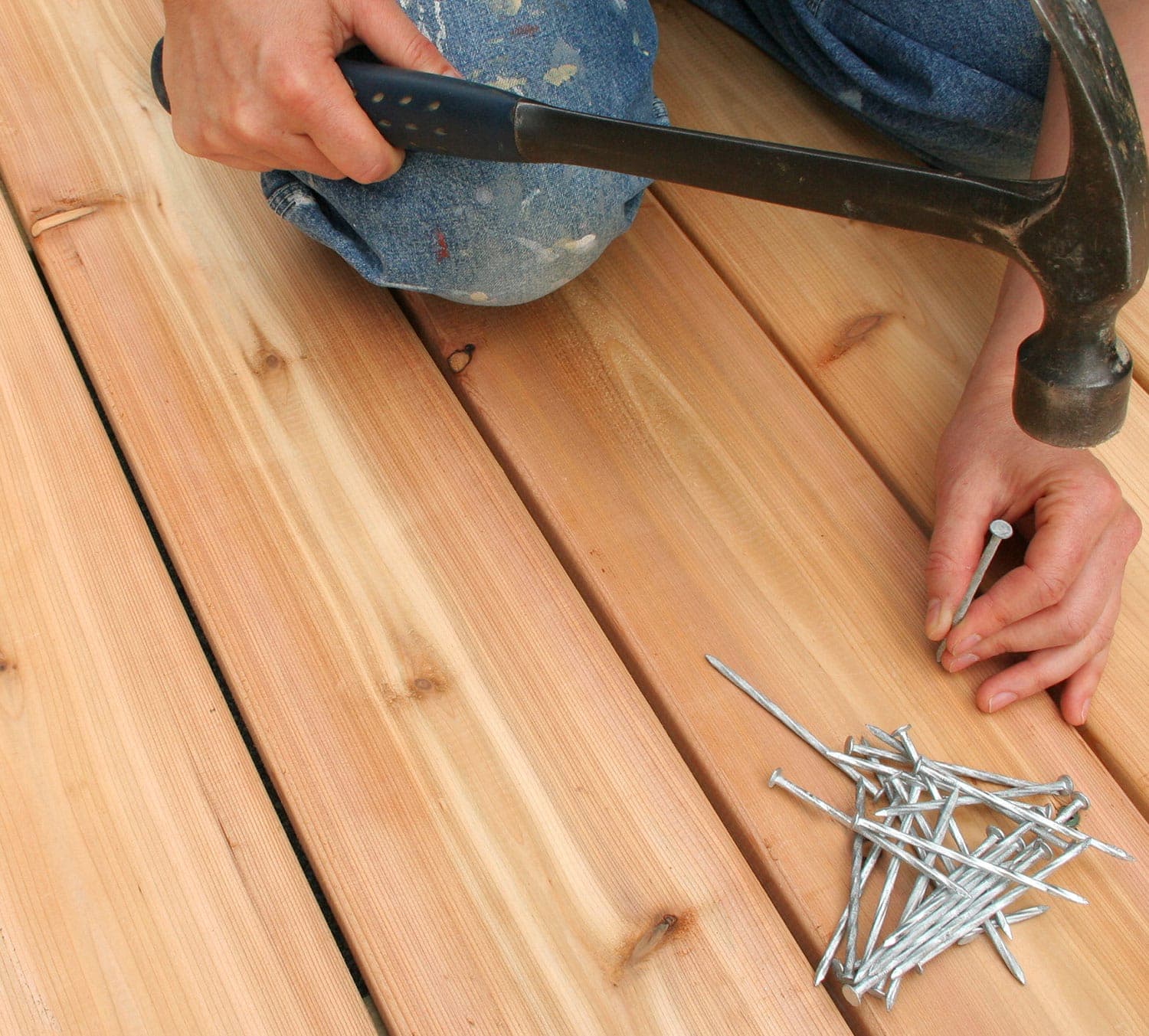
When you're planning a new deck, the first big decision is what to build it from. Natural timber and composite decking both make beautiful, hard-wearing decks — but they behave very differently on cost, upkeep and how they feel underfoot. Here's an honest comparison to help you choose.
Natural timber decking
Timber has a warmth and natural beauty that's genuinely hard to beat. Hardwoods such as kwila will last as long as your house when they're properly looked after, and treated pine is the most affordable way to get a deck down. Timber is also cooler underfoot in the sun and easy to repair board-by-board if anything gets damaged.
The trade-off is maintenance: timber needs regular oiling or staining to keep it looking its best and to protect it from the weather.
- Lower upfront cost, especially treated pine
- Natural look and cooler underfoot
- Easy to repair or replace individual boards
- Needs regular oiling or sealing to stay looking good
Composite decking
Composite decking is made from a blend of recycled wood fibre and plastic. Its big drawcard is low maintenance — no oiling or staining, just an occasional wash — and a consistent, uniform look that won't splinter or rot. The catch is a higher upfront cost, and darker boards can get uncomfortably hot underfoot on a warm Waikato day.
- Very low maintenance — no oiling or staining
- Consistent colour, won't splinter, rot or warp
- Higher upfront cost than timber
- Can get hot underfoot in direct sun
Which should you choose?
If you want a natural look, a lower upfront cost, or a deck in a sunny spot, timber is often the better call. If you'd rather pay more now to avoid years of upkeep — and the deck's mostly in the shade — composite can be well worth it. We're happy to talk you through the pros and cons for your specific spot before you commit either way.