What is Universal Design?

You might hear builders talk about “Universal Design” or “accessible design” and assume it’s only for people with disabilities. But the idea is much simpler than that: it’s about designing a home that’s easy to use for everyone, at every stage of life.

A universally designed home reduces everyday friction – less stepping over things, less straining to reach or grip, fewer trip hazards, and smoother movement through the space. That helps if you’ve got a sore knee, you’re carrying a sleeping toddler, you’ve got a pram, you’re moving furniture, or you’re simply thinking ahead to make sure your home still works well in 10–20 years. Done right, it can also make a home feel more modern, spacious, and valuable.

Here are five practical ways to build accessibility into your renovation without making your home feel “clinical.”

1. No-Step Entry & Level Thresholds

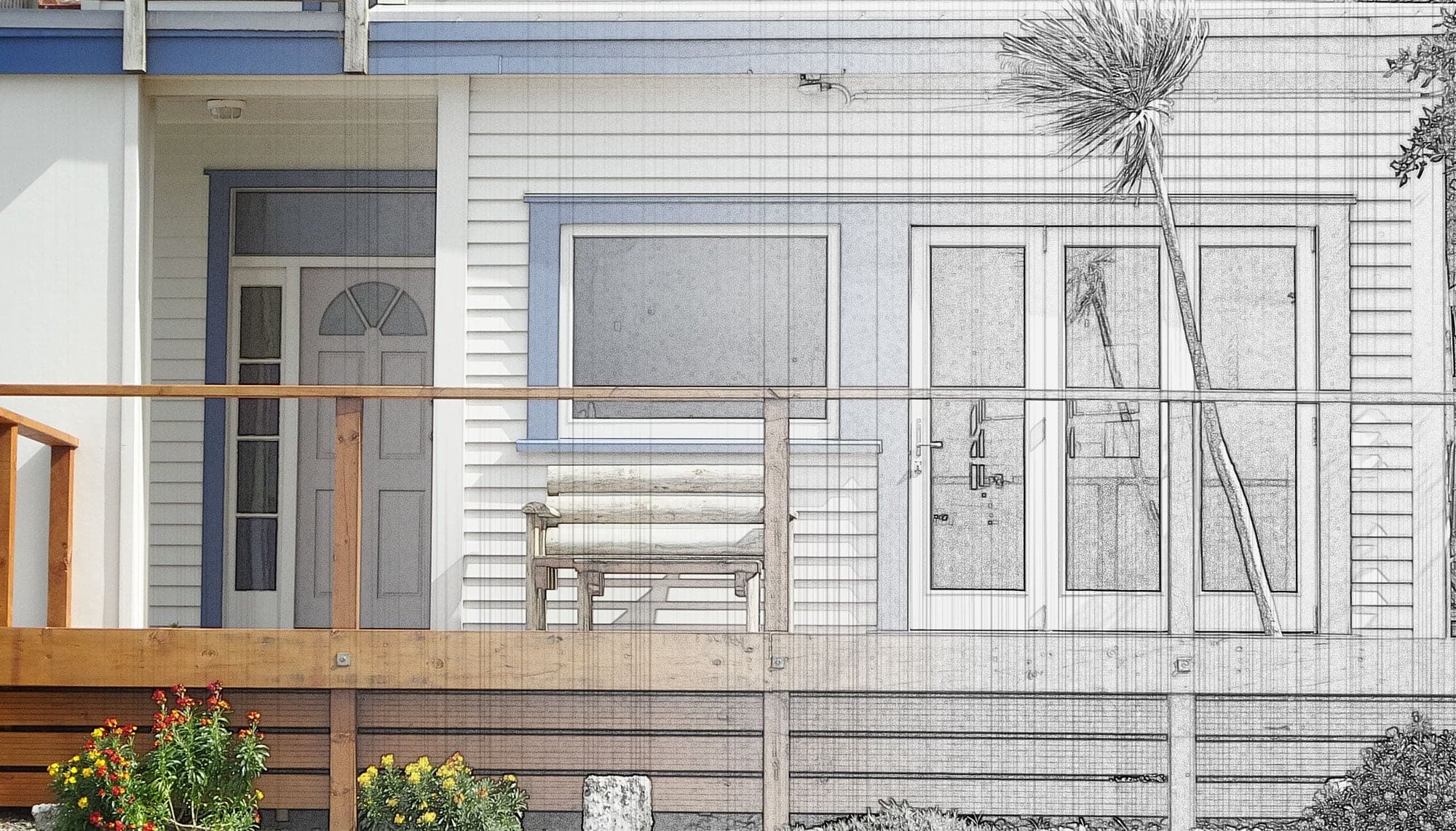
Many NZ homes have a small step up at the front door or a raised track on ranch sliders. It doesn’t seem like much – until you’re carrying groceries, pushing a pram, or trying to avoid a trip hazard in wet weather.

During a renovation, consider level-entry thresholds where possible, particularly for main entry points and big indoor–outdoor openings. A flush or low-profile transition makes the home safer and much easier to move through.

Entry 16 9
Ramp 16 9
RBT TIP!

Before you grab the sledgehammer, you need to know if that wall is load-bearing. We can help you identify the “safe” walls to move and ensure your ceiling stays exactly where it’s supposed to be!

2. Swap Round Door Knobs for Handles

Round “knobby” door handles can be surprisingly hard to use. They require grip strength and a twisting motion, which can be tough for:

  • people with arthritis or hand injuries
  • kids
  • anyone carrying things (when you’re trying to open a door with an elbow)

Lever handles are much easier – you can open them with a fist, palm, elbow, or a single finger. Even in kitchens and bathrooms, consider D-pull handles instead of small knobs on drawers and cupboards. It’s a small change that makes daily use noticeably easier.

Untitled 1
Untitled 2
Untitled 3

3. Widen the Paths

If your renovation includes shifting walls, changing a hallway, or replacing doors, it’s the ideal time to look at doorway widths and general circulation space. Older homes often feel tight simply because doorways and hallways were built narrower.

Wider doorways make the home feel more open and are a big help for:

  • mobility aids (now or later)
  • moving furniture and appliances
  • day-to-day flow (especially in busy family homes)

4. Improve Lighting + Choose Easier Switches

Accessibility isn’t only about steps and doorways – visibility is a huge part of safety and comfort. Dark hallways, shadowy stairs, and poor task lighting in kitchens can become real hazards over time. For instance, navigating all the way through a dark room, just to get to the light switch. 

Look at logical switch placement along with two-way switches during your renovation so you can turn the light on at one end and off at the other without ever having to walk in the dark.

You can also consider swapping traditional small toggles for larger, easier-to-use rocker light switches. They have a much larger surface area, making them simpler to operate.

light switch 3x2 1500x1000
download 2
RBT TIP!

 In kitchens and bathrooms, consider D-pull handles instead of small knobs on drawers and cupboards. It’s a small change that makes daily use noticeably easier.

5. Reinforce Walls

A common mistake is waiting until you need a grab rail – then discovering the wall doesn’t have the reinforcement required to install it properly.

If you’re renovating a bathroom, toilet, laundry, or even an entry area, it’s smart to add blocking (extra framing timber) inside the walls while they’re open. You don’t have to install rails now – this is simply future-proofing.

bathroom grab bars
download 3
RBT TIP!

Adding reinforcement during a renovation is quick and cost-effective. Adding it later can mean opening walls, re-lining, re-painting, and turning a small job into a bigger one.

RBT Future-Proofs your Home

Universal Design is really about making homes that are easy to live in – not just for “someday,” but for right now. If you’re already renovating, weaving these ideas in early can save money later and make the finished result feel better every day.

If you’re planning a renovation and want help designing a space that works for the long term, talk to the team at RB Thomas – we’ll help you think through the practical details before the build starts.